
If you’ve been waiting for a smartwatch that nails the everyday basics and feels like a real sports companion, OPPO’s new Watch S could be the sleeper hit your wrist needs. It’s slim enough to disappear under a cuff, bright enough to stay legible in a ton of glare, and clever enough to give your runs, rides and rallies some structure without drowning you in graphs for the sake of it.
The first impression: it feels premium, but not precious
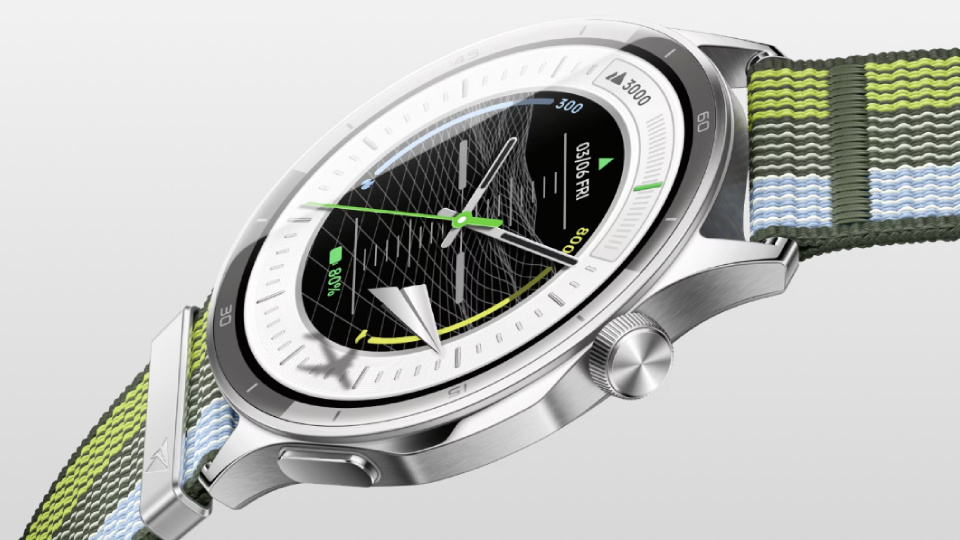
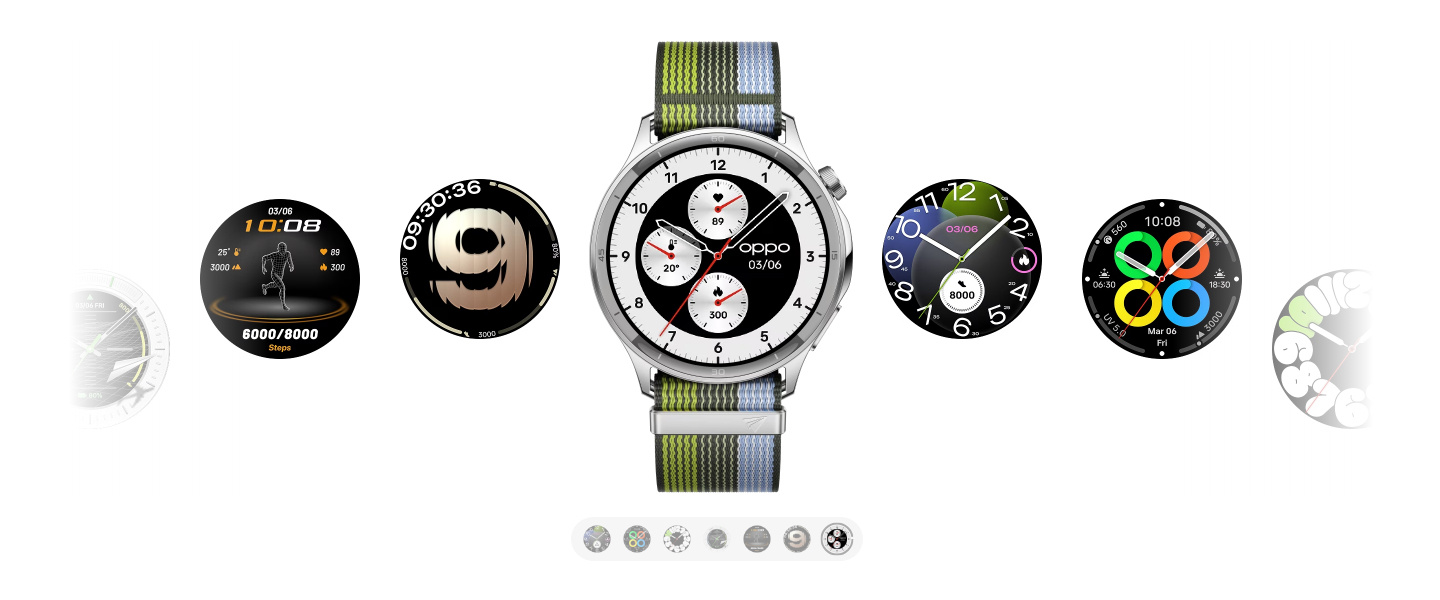
The Watch S lands that daily driver sweet spot: 8.9 mm thin, about 35 g without the strap, and built around a stainless steel frame that doesn’t scream tech gadget. It looks really sleek. It’s available in Phantom Black or Silver Gleam, and both look more classic watch than a mini phone on your wrist.
Despite the slimness, durability has been taken seriously. You’re getting IP68 dust and water resistance plus a 5 ATM swim safe rating, which covers lane swims, rainy commutes and accidental dish dunking.
Readable in brutal sunlight
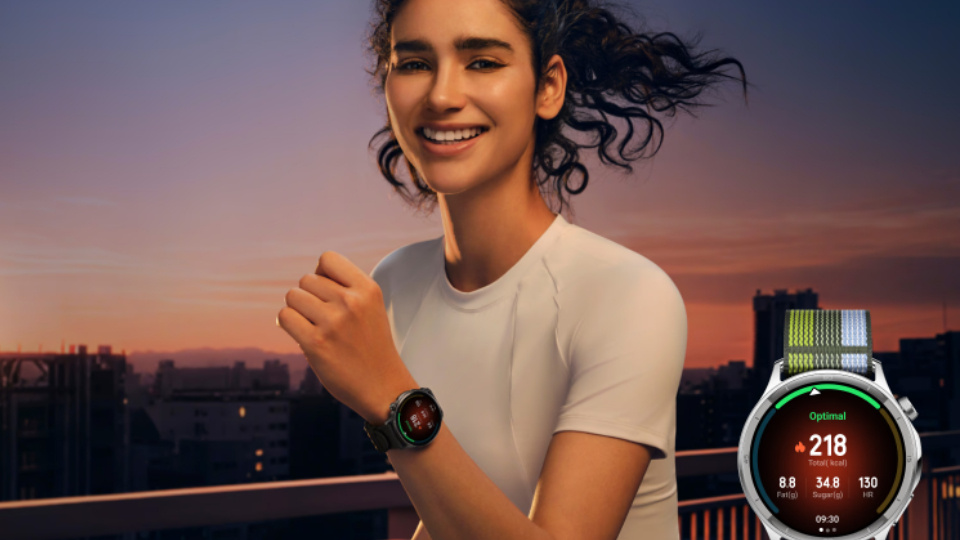
Screens make or break a smartwatch. The Watch S uses a 1.46-inch AMOLED at 464 x 464, and OPPO’s party trick is brightness: up to a 3,000 nit peak in supported workout scenarios, with everyday peak capped at 1,500 nits to balance battery life. Outdoors, that translates to actually being able to see your pace and heart rate without squinting.
Battery: genuinely low maintenance
OPPO quotes up to 10 days in its long life profile, about 7 days typical, or 4 days with always-on display enabled. In my week of mixed use with GPS runs, gym sessions and plenty of notifications, the Watch S comfortably behaved like a charge once-a-week watch. If you’re coming from daily top-ups on some similar tier models, this alone will feel liberating.
Quick charging helps too. A short top-up while you’re at your desk can easily cover a full day.
Health features: the 60-second snapshot is the sleeper feature
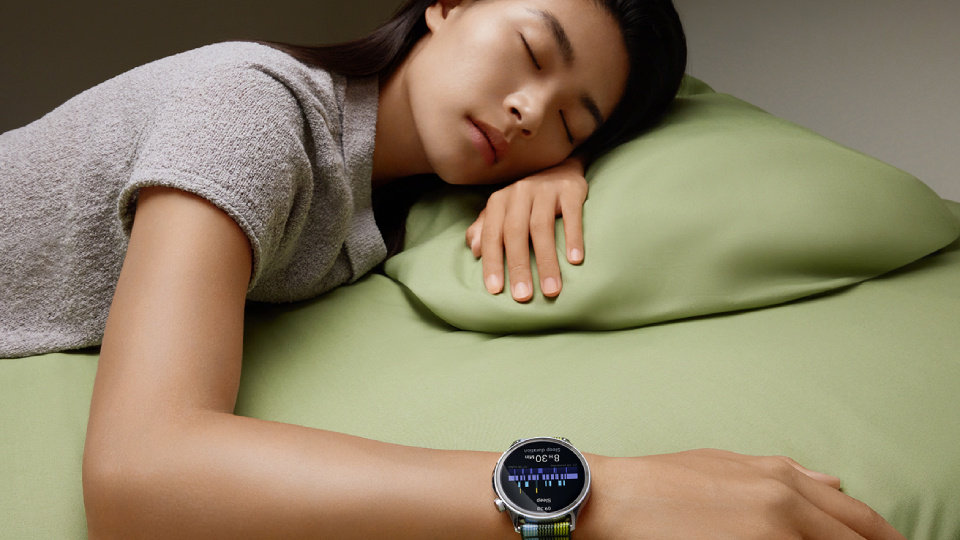
Yes, you get the usual 24/7 heart rate, SpO2, sleep stages and stress style mind and body indicators. What stands out is the 60-second Wellness Overview. It’s a guided, one-minute check that rolls key vitals into a simple “how am I doing right now?” snapshot. It’s a small idea, but it actually nudges you to use the sensors instead of just collecting data you never look at. Think of it like a Spotify wrapped except it's daily and designed to help you live better. ECG functionality is also on board here.
Sports tracking: more coach, less cheerleader
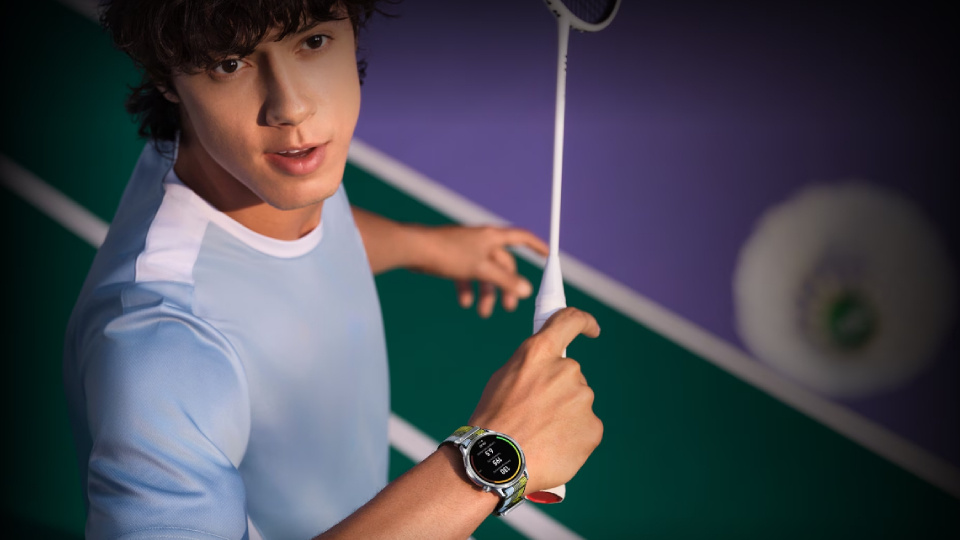
Over 100 workout modes are onboard, and OPPO’s approach leans into real guidance rather than just stats. Running features include zone-based coaching, technique cues and lactate threshold style support. Tennis and other court sports get deeper analytics than the usual calorie estimates, which feels refreshing.
For positioning, the watch supports dual-frequency GPS using L1 and L5, helping improve accuracy in urban areas and under tree cover.
Software and compatibility: simpler than Wear OS, broader than you’d think
The Watch S runs ColorOS Watch rather than Wear OS. That’s a big reason it lasts all week, while still covering the essentials like notifications, Bluetooth calling, quick replies, plus a growing range of watch faces and widgets.
It works with both Android and iOS and even supports dual phone pairing, which is handy if you carry separate work and personal devices.
If you rely heavily on Google Assistant apps or deep third-party integrations, you will feel the trade-off. But for most people, the extra battery life and simpler experience are well worth it.
Verdict: the don’t overthink it smartwatch
What the Watch S gets right is focus. It prioritises comfort, legibility and battery life, then layers on health and sports features that feel considered rather than box ticking.
If your wishlist reads like this, looks like a watch, lasts like a tracker, trains like a coach, this is an easy recommendation, especially at this price point.
Buy it if you want a premium feeling stainless steel smartwatch that you can read in full sun, wear all week, and trust for structured training.
Try other great options from OPPO (like the Watch X2) if you need deep Wear OS app integrations.