
Walk into any electronics store or browse online for headphones, and you'll encounter terms like "wireless" and "true wireless" thrown around seemingly interchangeably. While both types free you from the tangle of traditional wired headphones, they're actually quite different in design, functionality, and user experience. Understanding these differences can help you choose the right option for your needs and avoid disappointment when your purchase arrives.
What Are Wireless Headphones?
Wireless headphones connect to your device via Bluetooth without needing a physical cable to your phone, computer, or music player. However, the term "wireless" is a bit of a catch-all that includes several different designs. The key characteristic is that while there's no wire connecting the headphones to your device, there may still be wires connecting different parts of the headphones themselves.
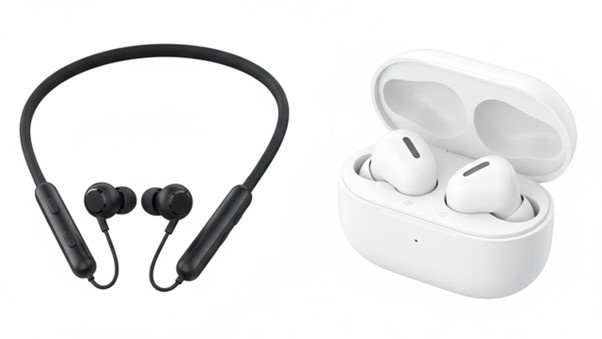
The most common type of wireless headphones are over-ear or on-ear headphones with a headband. These look like traditional headphones but communicate with your device wirelessly. Another popular style is the neckband design, where the two earbuds are connected by a cable that rests around your neck. Some wireless earbuds also have a short cable running between the left and right earpieces, even though they connect to your phone via Bluetooth.
The important thing to remember is that "wireless" simply means no wire to your device. It doesn't necessarily mean no wires at all.
What Are True Wireless Headphones?
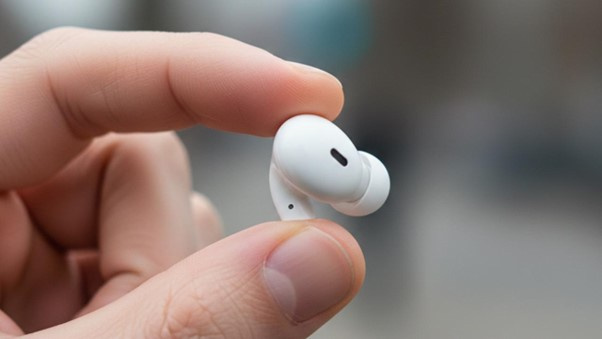
True wireless headphones, almost always earbuds, take the wireless concept one step further. Not only is there no cable connecting them to your device, but there's also no cable connecting the left and right earbuds to each other. Each earbud is a completely independent unit that connects to your phone or device separately via Bluetooth.
True wireless earbuds come with a charging case that serves double duty as both storage and a portable power bank. When you're not using them, the earbuds sit in the case and recharge. This case design has become iconic, with popular models like Apple's AirPods setting the standard that many other manufacturers have followed.
The "true wireless" designation emerged to distinguish these completely cable-free earbuds from earlier wireless models that still had wires connecting the earpieces. It's a marketing term, but it accurately describes the product: truly wireless, with no cables whatsoever.

The Practical Differences
Portability and Convenience
True wireless earbuds are generally more portable than their wireless counterparts. The compact charging case easily slips into a pocket or small bag, making them ideal for commuters, travelers, and anyone who wants minimal bulk. Wireless headphones with headbands or neckbands require more space and often come with carrying cases that add to the overall size.
However, the smaller size of true wireless earbuds also makes them easier to lose. Drop one while you're out and about, and it might disappear into a storm drain or under a car seat. Wireless headphones with cables connecting the parts, or larger over-ear designs, are much harder to misplace.
Battery Life
This is where wireless headphones often have a significant advantage. Over-ear wireless headphones can pack in large batteries, often providing 20 to 40 hours of playback on a single charge. Neckband wireless earbuds typically offer 8 to 15 hours. True wireless earbuds, constrained by the tiny size of each earbud, usually manage only 4 to 8 hours per charge.
The charging case for true wireless earbuds does help bridge this gap, often providing multiple additional charges that bring total battery life up to 20 or 30 hours. But you need to remember to put them back in the case, and there's always the inconvenience of that charging interruption, even if it's brief.
Sound Quality
Generally speaking, over-ear wireless headphones have the potential for better sound quality than true wireless earbuds. The larger drivers and more space for acoustic engineering mean they can produce deeper bass, clearer mids, and more detailed highs. Audiophiles and music enthusiasts often prefer full-sized wireless headphones for this reason.
That said, true wireless earbud technology has improved dramatically in recent years. High-end models can deliver impressive sound quality that satisfies most listeners, even if they can't quite match the absolute best over-ear headphones. For casual listening, podcasts, and even music enjoyment, many people find true wireless earbuds perfectly adequate.
Fit and Comfort
Comfort is highly personal and depends on individual preferences. Over-ear wireless headphones distribute their weight across your head and ears, which some people find comfortable for extended wear. Others find them hot, heavy, or prone to causing headaches. On-ear models sit on your ears rather than around them, which can become uncomfortable during longer sessions.
True wireless earbuds have their own comfort considerations. The fit depends heavily on the shape of your ear canal, and what's comfortable for one person might fall out or cause discomfort for another. Most come with multiple ear tip sizes to help you find the right fit. Some people love the minimalist feel of earbuds, while others find having something in their ear canal for hours uncomfortable.
Neckband wireless earbuds split the difference, offering the lighter weight of earbuds while the neckband keeps them from falling out and getting lost. The cable connecting them can be annoying to some users but reassuring to others.
Use Case Scenarios
For Exercise and Sports
True wireless earbuds are generally the better choice for exercise. They're lightweight, won't get in your way during movement, and won't have cables that bounce around or get caught on equipment. Many models include water and sweat resistance, making them suitable for intense workouts. The main risk is them falling out during vigorous activity, though many sport-focused models include ear hooks or wings to improve security.
Wireless neckband earbuds can also work well for exercise, as the cable around your neck prevents losing them if they fall out. Over-ear wireless headphones are generally too bulky and hot for most workout situations, though some people use them for walking or light jogging.
For Work and Calls
Both wireless and true wireless options work fine for calls and video meetings, though there are some considerations. Over-ear wireless headphones often have better microphone quality and do a better job of isolating you from ambient noise. They're excellent for working from home or in an office environment where you need to focus.
True wireless earbuds are more discreet for video calls and feel less obtrusive during all-day wear. However, their smaller microphones may not perform as well in noisy environments. Some people find it easier to focus with over-ear headphones that provide more isolation, while others prefer the lighter feel of earbuds for extended wear.
For Travel
For short commutes and quick trips, true wireless earbuds are hard to beat for convenience. They take up minimal space and are ready to use at a moment's notice. However, for longer flights or train journeys, over-ear wireless headphones with active noise cancellation often provide superior isolation from travel noise and better long-term comfort. Many frequent travelers carry both types, using earbuds for quick trips and full-sized headphones for longer journeys.

Price Considerations
True wireless earbuds range from budget options around $30 to premium models costing $300 or more. Wireless over-ear headphones have a similar range, from affordable models under $50 to high-end options exceeding $400. Quality doesn't always correlate with price, but generally, spending a bit more gets you better sound quality, more reliable connectivity, and longer battery life regardless of which type you choose.
One advantage of true wireless earbuds is that decent mid-range options are widely available at affordable prices. The market has matured to the point where you can get solid performance for $50 to $100. Over-ear wireless headphones with good sound quality and features typically start at slightly higher prices.
Which Should You Choose?
If maximum portability matters most to you, if you exercise regularly, or if you want something discreet that you can carry everywhere, true wireless earbuds are probably your best choice. They've become the default option for many people precisely because they're so convenient and versatile.
If sound quality is your top priority, if you need long battery life without recharging, if you want the best possible noise cancellation, or if you simply find over-ear designs more comfortable, wireless headphones with a headband are the way to go. They're better suited for focused listening sessions, serious music enjoyment, and situations where you'll be wearing them for hours at a time.
Wireless neckband earbuds occupy a middle ground, offering better portability than over-ear headphones and harder-to-lose security than true wireless earbuds. They're worth considering if you like the earbud form factor but worry about losing individual earpieces.
The Bottom Line
The difference between wireless and true wireless isn't just about marketing terminology. It represents a genuine design philosophy and affects how you'll use and experience your headphones. True wireless earbuds prioritize ultimate portability and freedom from any cables, while wireless headphones focus on sound quality, battery life, and comfort for extended use.
Neither is objectively better than the other. They're designed for different priorities and use cases. Many people end up owning both types, using true wireless earbuds for daily convenience and wireless over-ear headphones for serious listening. Consider how you'll actually use your headphones most often, and choose based on those real-world needs rather than just chasing the latest technology or the lowest price.