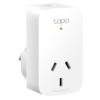

Smart plugs are one of the easiest entry points into home automation. They are inexpensive, require no wiring or technical knowledge to set up, and can make ordinary household appliances considerably more convenient to use. If you have ever wondered what all the fuss is about, here is a straightforward look at what they are and what you can actually do with one.
What is a smart plug?
A smart plug is a small adapter that sits between a standard wall socket and whatever device you plug into it. Physically it looks like a chunky plug adapter, and installation is as simple as pushing it into a socket. The intelligence is inside: a smart plug connects to your home Wi-Fi network and allows you to control the power supply to whatever is plugged into it, either through a smartphone app, a voice assistant, or automated schedules you set yourself.
The device plugged into a smart plug does not need to be smart itself. A lamp, a fan, a heater, a coffee maker, any ordinary appliance becomes remotely controllable the moment it is plugged into one.
Turning things on and off remotely
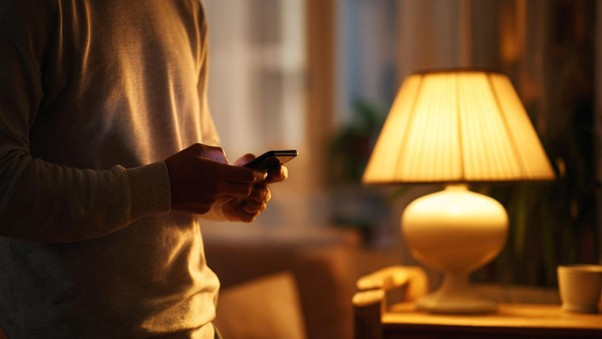
The most obvious use is remote control. If you are lying in bed and realise you left a lamp on downstairs, you can turn it off from your phone without getting up. If you are on your way home and want the lamp on when you walk through the door, you can switch it on before you arrive.
This works from anywhere with an internet connection, not just within your home. Left something on when you left for a trip? A smart plug lets you switch it off from the other side of the world.
Scheduling and automation
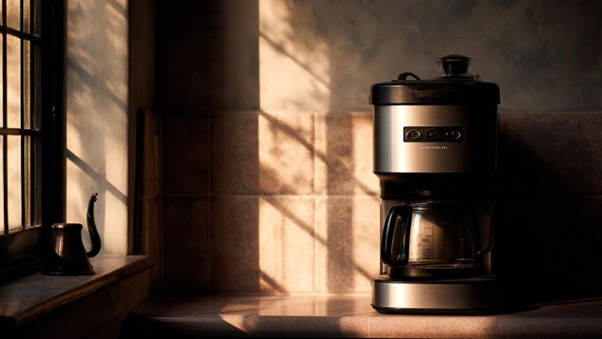
Smart plugs can be set to turn on and off on a schedule, which opens up a range of practical uses. You can set a coffee maker to switch on at 7am so it is ready when you wake up. You can have a lamp turn on at sunset and off at a set time each night to make the house look occupied when you are away. Fans, heaters, and other appliances can be set to run only during certain hours to avoid wasting power overnight.
Most smart plug apps allow for multiple schedules, different settings on different days of the week, and in many cases integration with sunrise and sunset times so the schedule adjusts automatically as the seasons change.
Voice control
Smart plugs are compatible with the major voice assistant platforms including Amazon Alexa, Google Home, and Apple HomeKit, depending on the brand. Once set up, you can control plugged-in devices with simple voice commands. Telling a voice assistant to turn off the lamp or switch on the fan is genuinely useful when your hands are full or you simply do not want to reach for your phone.
Energy monitoring
Many smart plugs include energy monitoring as a built-in feature. The app shows you how much power the connected device is drawing in real time and tracks consumption over time, giving you a clear picture of which appliances are costing the most to run. This can be particularly revealing for devices that are left on standby for long periods, as standby power consumption adds up over the course of a year more than most people expect.
If you are trying to reduce your power bill or simply want to understand your household energy use better, an energy monitoring smart plug is one of the more practical tools available at a modest price.
Away modes and home security
Some smart plug apps include an away mode that randomly switches connected lamps on and off during set hours to simulate occupancy. It is a simple but effective way to make a home look lived in while you are travelling, without having to think about it manually.
What smart plugs cannot do
It is worth being clear about the limitations. A smart plug can only cut or restore power to a device. It cannot control the settings of that device. If you plug in a lamp with a physical dimmer switch, the smart plug cannot adjust the brightness. If your coffee maker requires you to press a button after it powers on, the smart plug turning on the power will not brew coffee on its own.
Smart plugs also require a stable Wi-Fi connection to function remotely. If your internet drops, you lose remote access, though the physical socket on the plug itself usually still works manually.
What kinds of devices work well with a smart plug?
Appliances that are either always on or have a simple on/off operation are the best candidates. Lamps, fans, portable heaters, phone chargers, televisions, coffee makers, and toasters all work well.
Appliances that require manual input after power is restored, or that have safety concerns around unattended operation, are less suitable.
Is it worth getting one?
For the price, smart plugs offer a genuinely useful upgrade to everyday home life. They are one of the few smart home products where the practical benefit is immediate and obvious rather than theoretical.
If you have never experimented with home automation, a smart plug is a low-risk and low-cost place to start.