
Wireless charging has gone from a novelty to something you see everywhere, from bedside tables to cars and cafés. At the same time, wired charging has not gone away. In fact, for many people, it is still the default.
So do you actually need a wireless charger, or is plugging in a cable still the better option?
How Wireless Charging Works
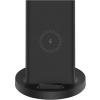
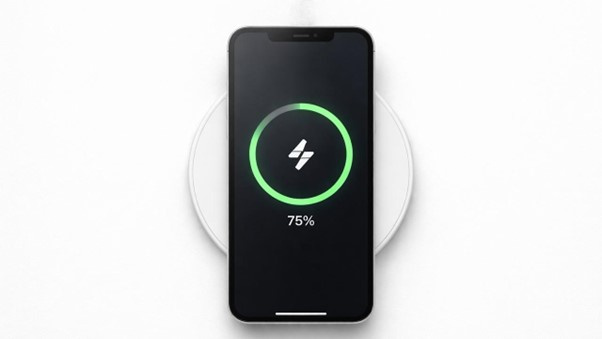
Most wireless chargers use the Qi standard. Instead of sending power through a cable, the charger creates an electromagnetic field that transfers energy to a coil inside your phone.
For this to work properly:
- The phone needs to be placed in the right position
- The coils need to align reasonably well
- A small amount of energy is lost in the transfer
That energy loss is why wireless charging is generally slower and less efficient than wired charging.
Charging Speed: Wired Still Wins
When it comes to speed, wired charging is still clearly ahead.
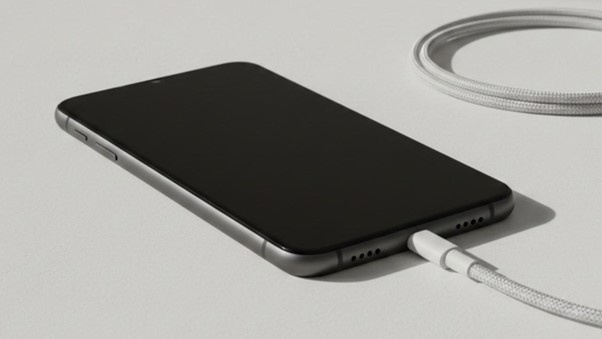
A wired connection:
- Delivers power more efficiently
- Supports higher charging speeds
- Generates less heat for the same amount of power
Wireless charging has improved, but even fast wireless chargers usually cannot match the top wired charging speeds supported by modern phones.
If you want the quickest top-up before heading out, a cable is still the best choice.
Heat and Battery Health
Heat is the enemy of battery longevity.
Wireless charging tends to generate more heat because:
- Energy is lost during the transfer
- Misalignment forces the charger to work harder
- Charging often runs at lower efficiency for longer periods
This does not mean wireless charging will ruin your battery, but over time, extra heat can contribute to faster battery wear compared to efficient wired charging.
Wired charging, especially at moderate speeds, generally keeps temperatures lower.
Convenience Is Where Wireless Shines
This is where wireless charging makes sense.
Wireless charging is:
- Easy to use
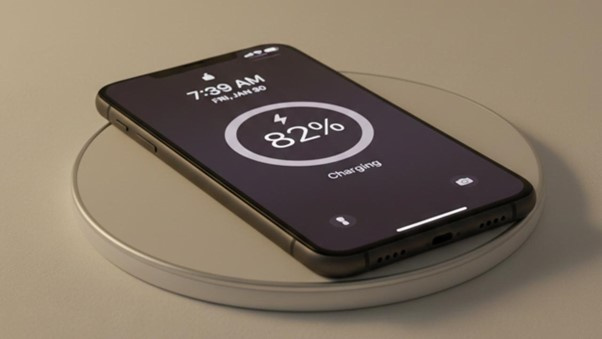
- Convenient for desks and bedside tables
- Ideal for quick drop-and-go charging
You do not have to line up a cable or worry about plugging it in correctly. For many people, that convenience outweighs the slower speeds.
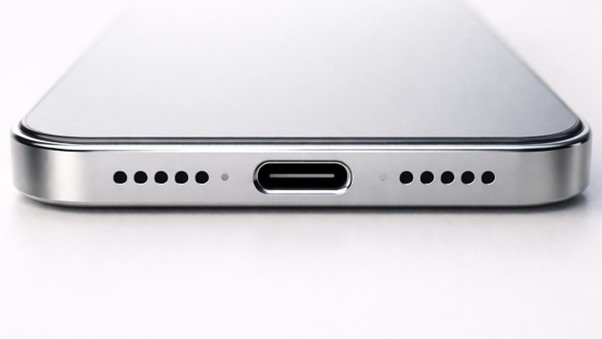
Wireless charging also reduces wear on charging ports, which can be a real benefit over years of daily use.
Reliability and Consistency
Wired charging is predictable. Plug it in and it charges, every time.
Wireless charging can be less consistent:
- Poor alignment can slow charging or stop it entirely
- Thick cases can interfere with charging
- Small bumps can knock the phone out of position
Modern wireless chargers are better than they used to be, but they are still more sensitive to placement than a cable.
Wireless Charging in Cars
Wireless charging pads in cars are a mixed bag.
They are convenient, but:
- Heat buildup is common
- Phones can slide out of alignment while driving
- Charging speeds are often very slow
For navigation and music streaming, wired charging is usually more reliable in a car environment.
So Which Should You Use?
You do not have to choose one or the other.
Wired charging is better if:
- You want the fastest charging speeds
- You care about efficiency and lower heat
- You need reliability in all conditions
Wireless charging is better if:
- Convenience matters more than speed
- You charge in short bursts
- You want less wear on your charging port
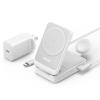
For most people, the best setup is a mix of both.
The Bottom Line
Wireless charging is convenient, but it has not replaced wired charging. Cables are still faster, more efficient, and more reliable.
If you value simplicity and ease, wireless charging is worth having. If performance, speed, and battery health matter most, wired charging is still the better option.
The smart move is using each where it makes the most sense.